Dry Steam Cleaners
The cleaning power of dry steam for deep cleaning is well known and we offer a range of dry steam cleaners, suitable for all applications. A robust and versatile group of machines, some with the addition of vacuum to assist in the removal of residue. Dry steam cleaners are eco friendly as they reduce the need for harsh cleaning agents and disinfectants, and also use little water. Dry steam penetrates into the surface and, because it is delivered at pressure, destroys the hidden bacteria to sanitise the surface, as well removing visible grime and grease.
The steam cleaners marked * qualify for the ‘Enhanced Capital Allowance’ scheme and are also on the water technology list.
See more information about ECA..
Industrial Steam Cleaners
Steam cleaning is invaluable in the healthcare and food industries among others where sanitizing and deep cleaning are of paramount importance. A dry steam cleaner will produce steam at about 180o C, which means it has an extremely low water content and has excellent degreasing properties.
Please look through the products and example applications – you might be surprised about some of the things you can clean with a dry steam cleaner!
Dry Steam Cleaners for sale
As leading suppliers of commercial and industrial steam cleaning equipment in the UK, we can advise you on the most suitable machine for your needs – and supply it at a competitive price.
Did you know that for one-off cleaning jobs, you can hire a steam cleaner from B&G?
Coronoa Virus COVID-19 note:
Dry steam cleaners are in high demand for Coronavirus decomtamination. See our Covid-19 cleaning recommendations here.
We have a wide range in stock for fast delivery – if you need advice, please call us.
Showing all 28 results
-
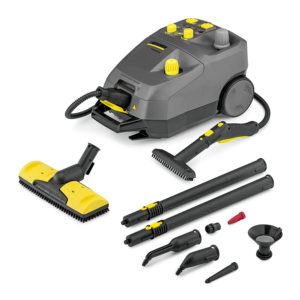
Karcher SG 4/4 *
Dry steam cleaner for quick deep and hygienic cleaning without detergent.
-
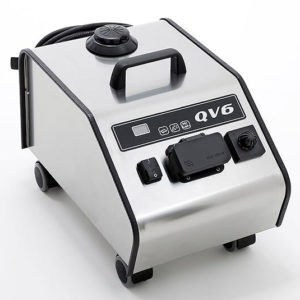
STI QV6 Steam Cleaner
£695.00Commercial Dry Steam Cleaner for sanitised cleaning
Special offer £695 + VAT -
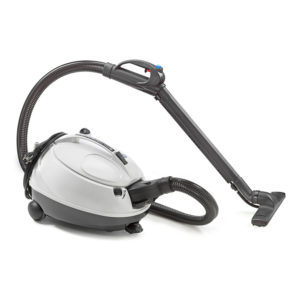
STI QV7
£899.00High performance Dry Steam Cleaner with vacuum for sanitised cleaning
Special offer £899 + VAT -
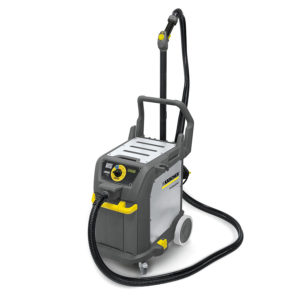
Karcher SGV 8/5 *
8 bar dry steam cleaner with vacuum and self cleaning function
-
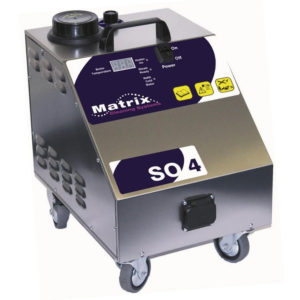
Matrix SO4 Steam Cleaner *
Commercial 4.5 bar pressure dry steam cleaning system
-
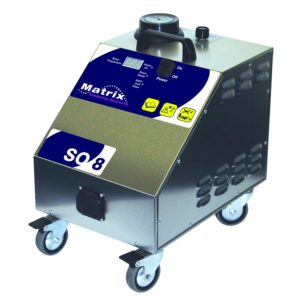
Matrix SO8 Steam Cleaner *
£1,659.00Commercial 8 bar dry steam cleaner, qualifies for ECA scheme.
Special offer £1,659 + VAT -
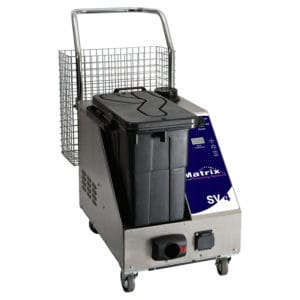
Matrix SV4 Steam Cleaner
£1,729.004.5 bar pressure steam cleaning machine with integral vacuum
Special Offer, £1729 + Vat -
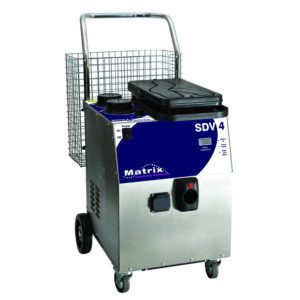
Matrix SDV4 Steam Cleaner *
£2,099.00Commercial steam cleaner with detergent delivery system and vacuum
Special offer £2,099 + VAT -
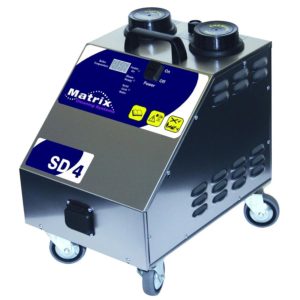
Matrix SD4 Steam Cleaner
Compact and lightweight effective chewing gum removal system
-
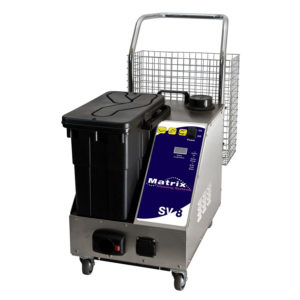
Matrix SV8 Steam Cleaner *
£2,399.008 bar dry steam cleaner with integral vacuum
Special offer £2,399 + VAT -
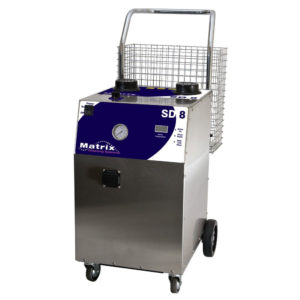
Matrix SD8 Steam Cleaner
High pressure dirt and chewing gum removal system
-
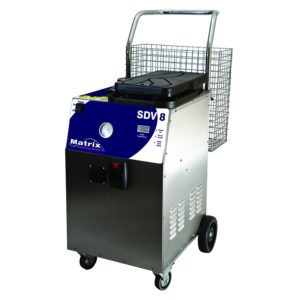
Matrix SDV8 Steam Cleaner *
£2,949.008 bar steam cleaner with integral vacuum and detergent dispenser
Special offer £2,949 + VAT -
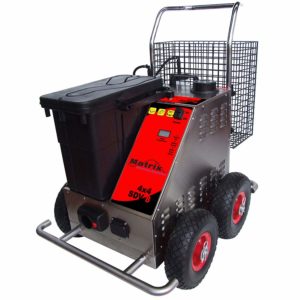
Matrix 4×4 SDV8 Steam Cleaner
Industrial 8 bar steam, detergent and vacuum pressure cleaner.
-
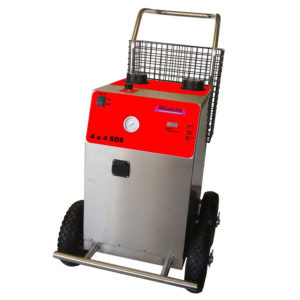
Matrix 4×4 SD8 Steam Cleaner
Powerful 8 bar industrial steam and detergent cleaner
-
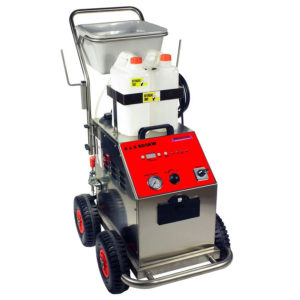
Matrix 4×4 SD5KW Steam Cleaner
9 Bar high pressure industrial steam cleaning system
-
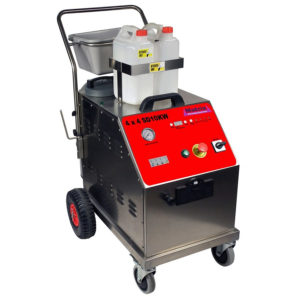
Matrix 4×4 SD10KW Steam Cleaner
High pressure 10 Bar industrial steam cleaner
-
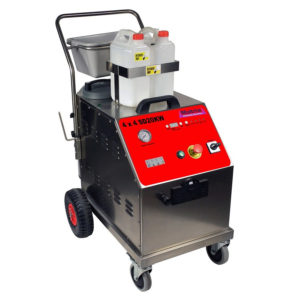
Matrix 4×4 SD20KW Steam Cleaner
Powerful 3-phase industrial steam and detergent cleaning system
-
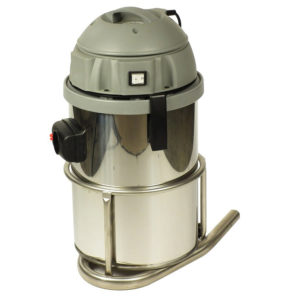
Matrix Kit 1150 Optional Vacuum
Optional vacuum kit for matrix: 4×4 SD5KW, 4×4 SD10KW, 4×4 SD20KW
-
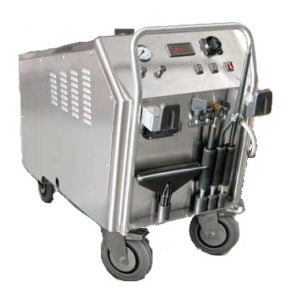
EDGE ST18 / ST30
10bar pressure Dry Steam Cleaner
-
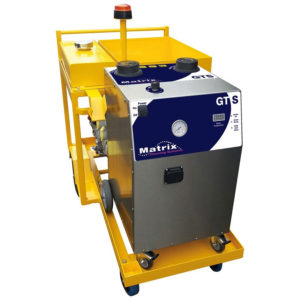
Matrix GTS
Self-contained chewing gum removal system with an integral chemical delivery system.
-
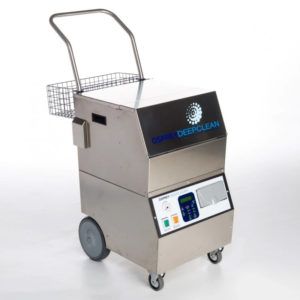
Osprey Provap Evo Vac
£2,699.00Dry steam de-contamination system, suitable for healthcare environments
In stock now £2699 + VAT -
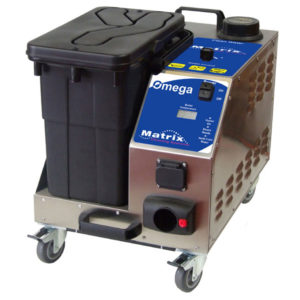
Matrix Omega
Compact and powerful commercial steam cleaner with Vacuum
-
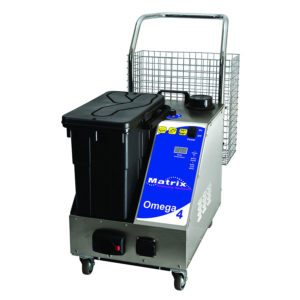
Matrix OMEGA 4
Compact and powerful healthcare quality steam cleaner
-
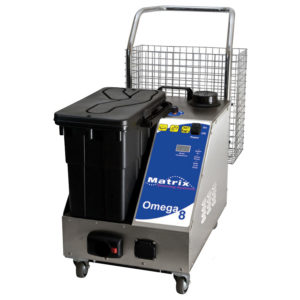
Matrix OMEGA 8
Powerful 8 bar steam cleaner for effective removal of grime, germs and super bugs
-
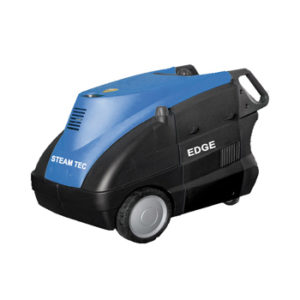
Edge Steam Tec Dual
An efficient steam cleaner that requires minimal power for maximum results.
-
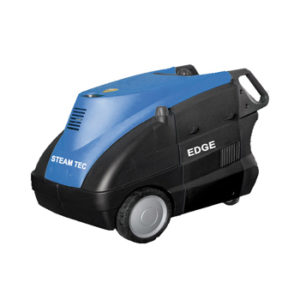
Edge Steam Tec Graffiti
A high pressure steam cleaner ideal for removal of graffiti
-
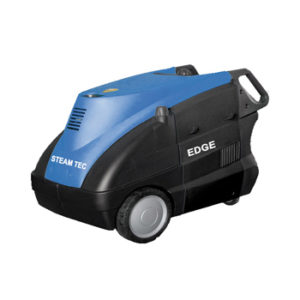
Edge Steam Tec
Versatile and environmentally friendly high pressure steam cleaner
-
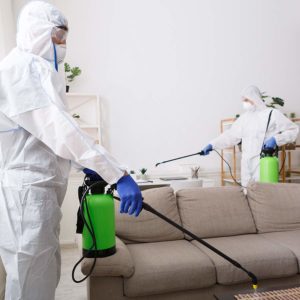
4CLEAN Cleaning & Sanitising Services
COVID-19 deep cleaning, disinfecting and sanitising service, available Midlands-wide.


